

.png)
Drive less, stay longer: slow travel is taking over Europe
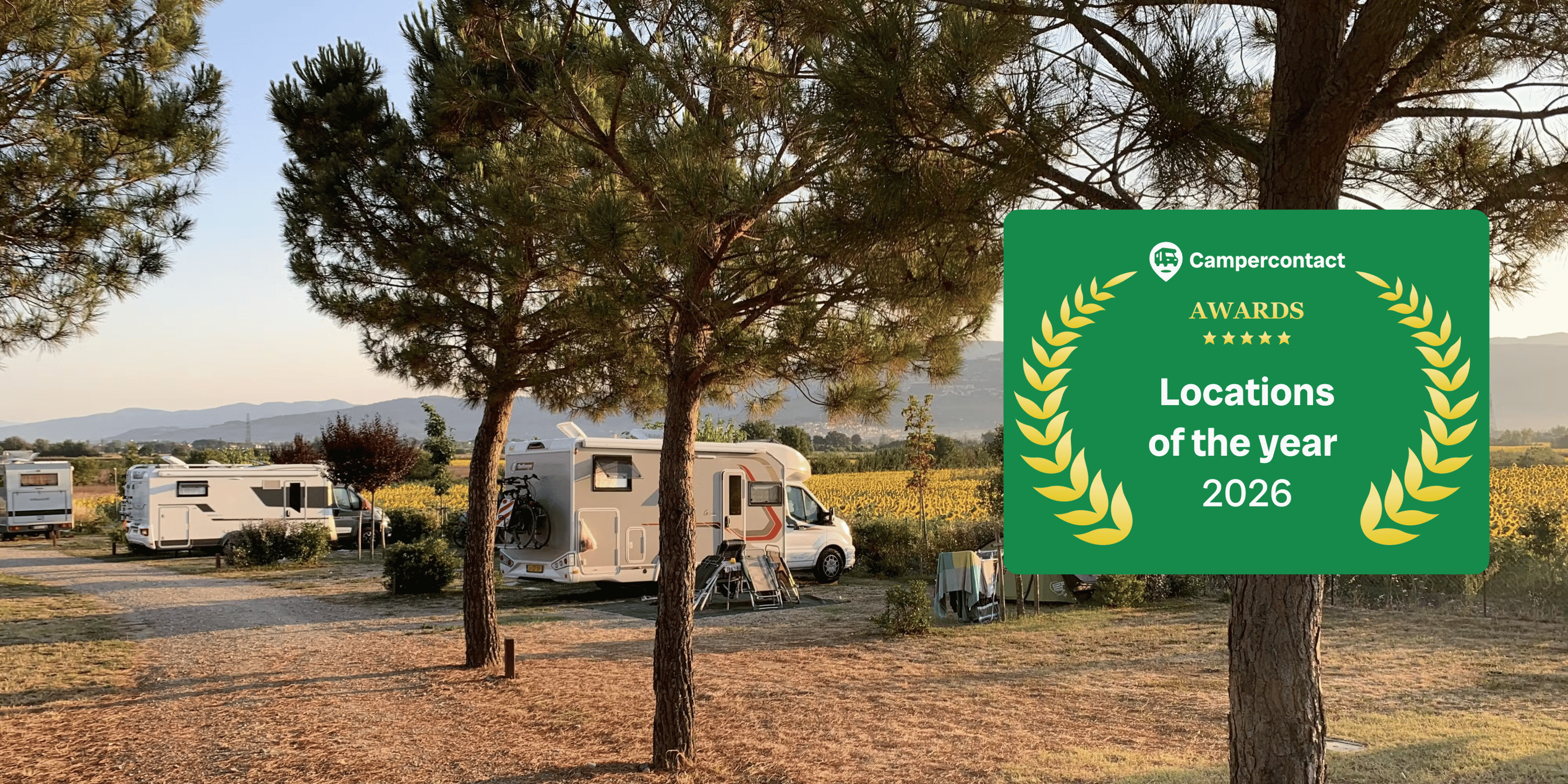
More and more motorhomers are moving away from the idea that they have to continue travelling every day. They want to experience destinations, not tick them off a list. A beautiful place invites them to stay longer: three nights, five nights, sometimes even a full week. Peace, space and surroundings matter more than the number of kilometres on the odometer.
How to respond to this trend:
Show that your location is suitable for a longer stay. Highlight what there is to do in the area for several days. Consider attractive multi-night rates and communicate them clearly. Turn you location into a place where people want to stay, not just stop.
Quiet places are calling: away from the crowds
The classic motorhome destinations remain popular, but more and more travellers are also looking further afield. Scandinavia, Scotland and the Baltic states attract motorhomers seeking space and nature. At the same time, there is growing interest in Eastern Europe, where culture and affordability go hand in hand. Even within busy countries, travellers are consciously choosing quieter regions.
How to respond to this trend:
Emphasize peace, space and nature. Are you located outside the well-known hotspots? Turn that into your strength. Motorhomers are increasingly looking for those unknown alternatives.
From overnight stays to full experience: Food, drinks and discovering local life
Travelling by motorhome is a way to taste different regions. Motorhomers don't just drive to a nice place to spend the night, but to a region with its own culinary story. In 2026, culinary experiences will not be about luxury, but about authenticity. The motorhomer makes it easy to buy locally and cook for yourself. Local products, small wineries, markets and regional dishes make all the difference.
.png)
How to respond to this trend:
This presents a huge opportunity for location owners, without needing to run a restaurant yourself. By highlighting the culinary story of your surroundings, you add extra value to your location. Think of a short tip about the weekly village market, a recommendation for a nearby wine or olive oil producer in the area, or a baker who still bakes his own bread every morning.
Motorhome sites as meeting places
Motorhomers are increasingly looking for contact. A chat on arrival, sharing a meal, asmall activity: it doesn't have to be anything big. But feeling welcome and having the chance to meet other travellers is becoming increasingly important.
How to respond to this trend:
Create space for interaction. A communal table, a fire pit or a small activity at set times can make a big difference. Communicate this in advance so that motorhomers know what to expect. For many travellers, atmosphere is just as important as facilities.
Sustainability is no longer optional
Sustainability is no longer a marketing term, but a basic expectation. Motorhomers often travel self-sufficiently and pay close attention to how locations deal with energy, waste and water. They don't expect a perfect eco-paradise, but they do appreciate honesty and awareness.
How to respond to this trend:
Show what you are already doing. Solar panels, waste separation or conscious water use? Mention it. Transparency inspires confidence and shows that you are keeping space with the times.
Shorter, more flexible and closer
Not every motorhome trip starts with weeks off and a long route across Europe. More and more trips are spontaneous. A few days away, a long weekend or even just one night to relax and escape from daily stress. People are choosing shorter breaks more often, spread throughout the year, rather than one long holiday.
How to respond to this trend:
Shorter and closer trips do not mean less value; it means a different kind of value. If you do it right, you will see these motorhomers return more often, several times a year. And that is precisely what makes this trend so interesting: less dependence on long holidays, more repeat visits and more stable occupancy throughout the year.
.png)
Working on the road: the motorhome as a mobile office
Since remote working has become widely accepted, a new group of motorhomers has emerged: people who combine work and travel. They tend to stay longer, travel outside the high season and seek peace and quiet, but they do have basic needs such as reliable internet and a quiet place to work.
How to respond to this trend:
Do you offer good Wi-Fi or a quiet place? Mention it. You don't have to become a co-working space, but for this target group, one sentence can make the difference between booking or moving on.